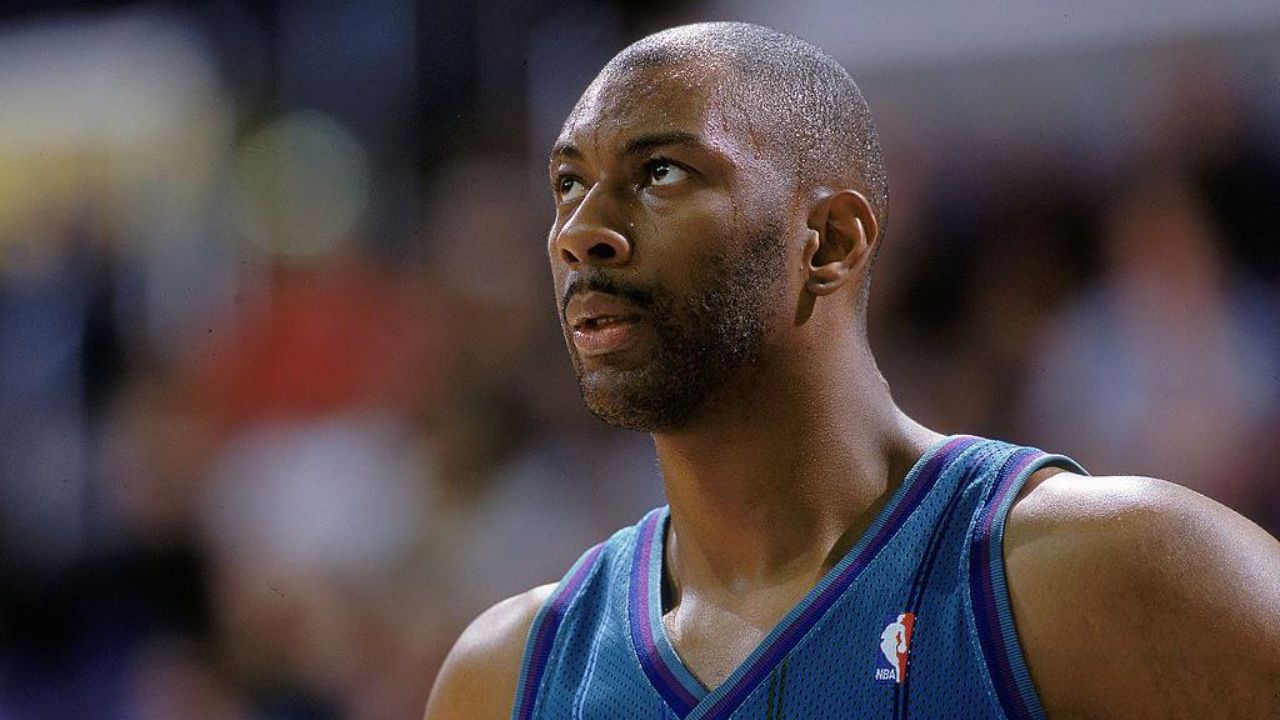

Elden Campbell, the towering power forward and center who anchored defenses for over a decade in the NBA, left an indelible mark on basketball before his untimely passing on December 2, 2025, at the age of 57.
Born in Los Angeles and drafted by his hometown Lakers in 1990, Campbell embodied the grit of mid-90s hoops, blending shot-blocking prowess with understated scoring. His career spanned 15 seasons across five teams, culminating in a championship ring with the Detroit Pistons in 2004—a poetic irony as they toppled the Lakers in the Finals. Off the court, Campbell’s story extended beyond rebounds and blocks; he navigated the volatile world of professional sports with a focus on longevity and stability, turning hardwood success into lasting security.
As tributes pour in from former teammates and fans alike, reflections on Campbell’s life highlight not just his on-court reliability but his off-court prudence. In an era when many athletes faced financial pitfalls post-retirement, he stood out for his disciplined approach to wealth management. This balance of athletic dedication and fiscal wisdom defined a man who, despite never seeking the spotlight, became a quiet role model for aspiring players.
You Might Like: The Private World of Congressman Henry Cuellar
A Career Built on Consistency
Elden Campbell’s NBA journey began humbly with the Lakers, where he evolved from a bench player into a starter by the mid-1990s. Over eight-plus seasons in purple and gold, he averaged double-digit points while leading the team in scoring during several campaigns, a testament to his efficiency in the paint. Traded to the Charlotte Hornets in 1999 amid roster shifts, he thrived anew, posting career-high averages in rebounds and assists. Later stints with the New Orleans Hornets, Seattle SuperSonics, and a triumphant return to Detroit showcased his adaptability, even as minutes dwindled toward retirement in 2005.

What set Campbell apart was his defensive tenacity—amassing 1,602 blocks, good for 34th all-time—paired with a team-first mentality. Nicknamed “Big E” and “The Janitor” for his board-cleaning tenacity, he prioritized winning over individual accolades. This reliability earned him respect across the league, from Shaquille O’Neal’s praise for his work ethic to Pistons coach Larry Brown’s nod during their title run. Campbell’s path, marked by trades and role changes, underscored the NBA’s demands, yet he retired with poise, having contributed to 1,045 games and a lifetime .460 shooting clip.
Financial Footprint: Earnings and Enduring Wealth
Throughout his tenure, Elden Campbell’s compensation reflected his value as a dependable big man, with contracts that grew alongside his production. Early deals with the Lakers included a seven-year, $49 million extension in 1995, a hefty sum then that locked in stability during his prime. Peak earnings came via multi-year pacts with Charlotte and New Orleans, where he pocketed upwards of $8 million annually in the early 2000s. These agreements, negotiated amid free agency buzz, highlighted his market worth beyond stardom.
Cumulatively, such deals yielded approximately $69.2 million in career earnings from salaries alone, a figure that placed him among the league’s steady earners of his generation. Post-retirement investments, notably a savvy real estate flip of a Marina del Rey condo bought for $270,000 in 1994 and sold for $770,000 in 2014, bolstered his portfolio.
Also See: Anne Hathaway’s Two Sons Revealed: Meet Jonathan and Jack
By 2025, these efforts culminated in an estimated net worth of $20 million at the time of his passing, a prudent buffer against the uncertainties that ensnare many ex-players. Campbell’s story serves as a blueprint: consistent performance on the court translated to calculated steps off it, ensuring his legacy endures in boardrooms as much as highlight reels.